
What Patio Umbrella Repair Costs and Which Fixes Last in 2026
Your Essential Guide to Patio Reviews: Key Factors to Consider Before Investing in 2026
As outdoor living spaces continue to gain popularity, understanding what to look for in patio reviews becomes increasingly essential for homeowners and renters alike. Whether you are considering installing a new patio or maintaining an existing one, the right information can save you time and money. Investing in outdoor spaces not only enhances your property’s value but also provides a relaxing environment for family gatherings, parties, or quiet evenings under the stars.
This guide will help you navigate the plethora of options available for patios, addressing critical factors to consider before making a purchase or renovation in 2026. From materials to maintenance, the insights gathered here will equip you with the knowledge needed to make informed decisions. Additionally, you will learn how to evaluate reviews effectively, ensuring that your choices align with your lifestyle and budget.
Before diving into the details of patio reviews, it is crucial to recognize the common challenges faced by homeowners. Confusing product choices, mixed online reviews, and the uncertainty of which fixes or venues are worth the effort can be daunting. This guide will provide clarity and confidence in navigating these complexities, enabling you to create the outdoor space of your dreams.
Understanding Different Patio Materials and Their Benefits
When considering patio options, one of the most important aspects is the material used. Each material has its unique characteristics, benefits, and drawbacks. Popular choices include concrete, wood, stone, and pavers, each offering various aesthetics and durability levels. For instance, concrete patios are known for their strength and longevity, making them a practical choice for heavy foot traffic.
Wooden decks, while visually appealing, require regular maintenance to prevent decay and weather damage. On the other hand, natural stone patios provide a timeless look but can be more expensive and labor-intensive to install. Understanding these pros and cons helps narrow down options based on your preferences and maintenance capabilities.
Additionally, consider the climate in your area when selecting materials. In regions with high humidity, materials like composite decking may be more suitable as they resist mold and mildew. Conversely, in dry climates, traditional wooden decks may fare better, provided they receive proper upkeep. By aligning material choice with environmental factors, you can enhance the longevity and performance of your patio.
Concrete Patios: Durability and Maintenance
Concrete patios are a top choice for many due to their incredible durability. They can withstand harsh weather conditions and heavy use, making them ideal for families or those who entertain frequently. Additionally, concrete can be colored or stamped to mimic more expensive materials, providing a customized look without breaking the bank.
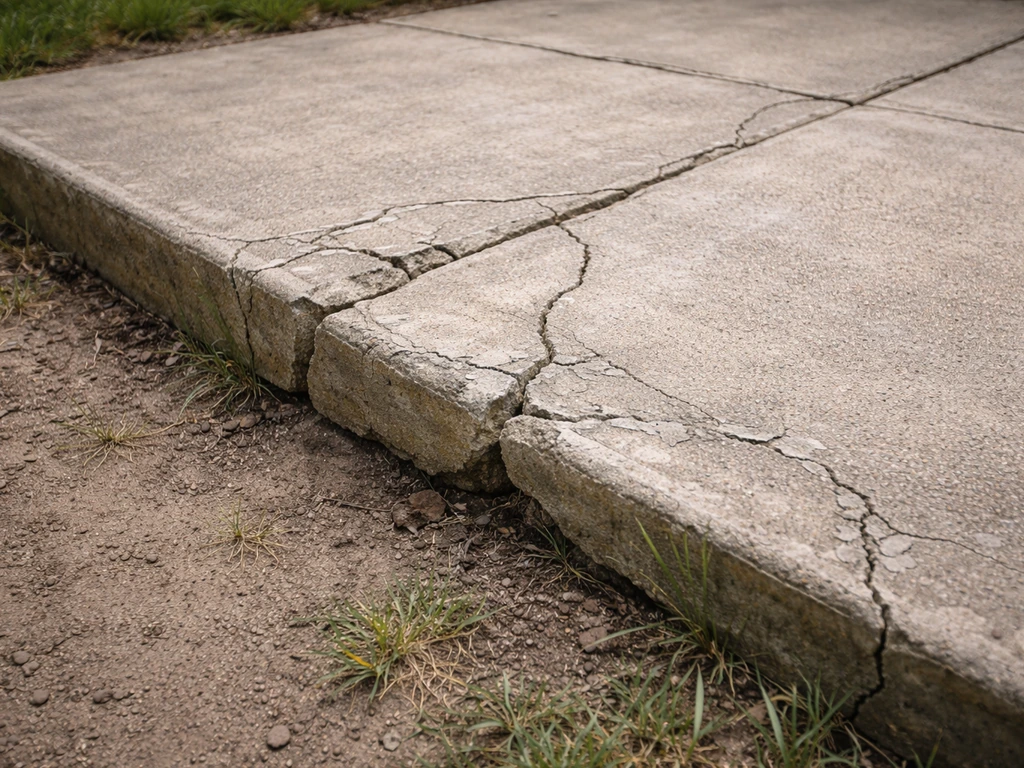
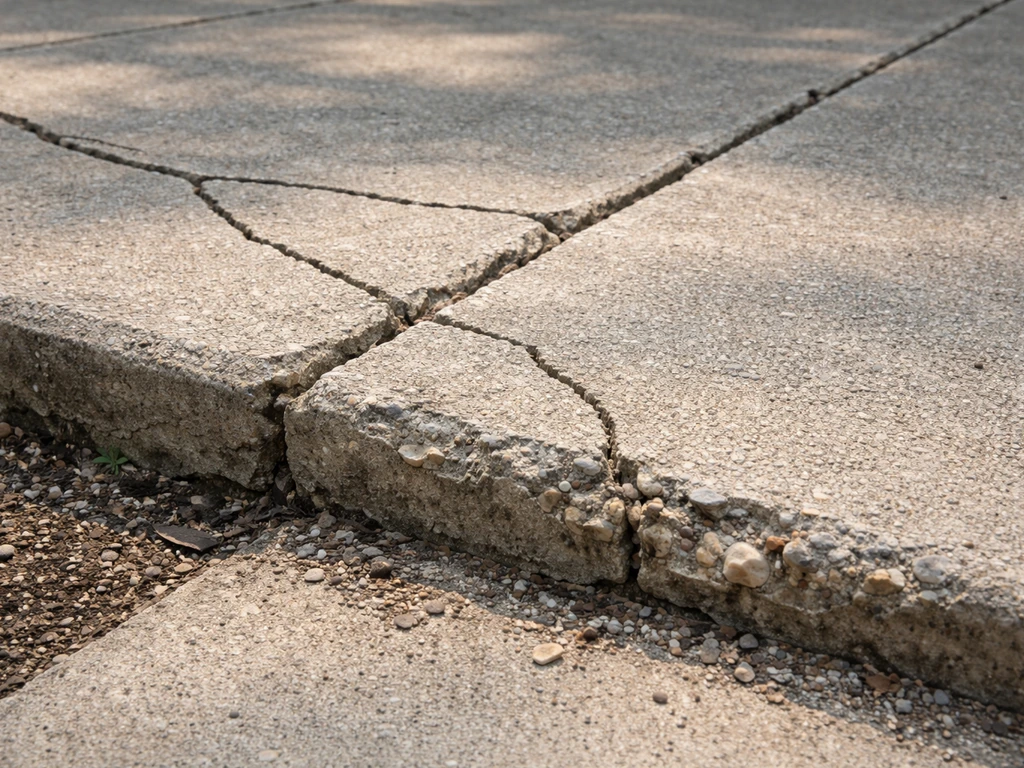
However, it’s essential to consider maintenance. While concrete is low-maintenance compared to wood, it can crack over time if not installed correctly. Regular sealing can help prevent this issue, ensuring your patio remains in good condition for years. Many homeowners appreciate the ease of cleaning concrete surfaces, often requiring only a simple wash with soap and water.
Wooden Decks: Aesthetic Appeal vs. Upkeep
Wooden decks bring a natural beauty to outdoor spaces, creating a warm and inviting atmosphere. They are highly customizable, allowing homeowners to choose from various wood types, stains, and finishes. However, the aesthetic appeal comes with the responsibility of regular maintenance, including staining, sealing, and cleaning to prevent rot and insect damage.
For those interested in sustainability, consider using reclaimed wood, which not only offers a unique look but also reduces environmental impact. It’s worth noting that while wooden decks may require more effort to maintain, they can provide a beautiful outdoor space that enhances your home’s charm.
Natural Stone: Timeless Elegance
Natural stone patios, such as slate or flagstone, offer a luxurious and timeless look that is hard to replicate. They are incredibly durable and can withstand the elements exceptionally well. However, installation can be labor-intensive and costly, making them a significant investment for any homeowner.
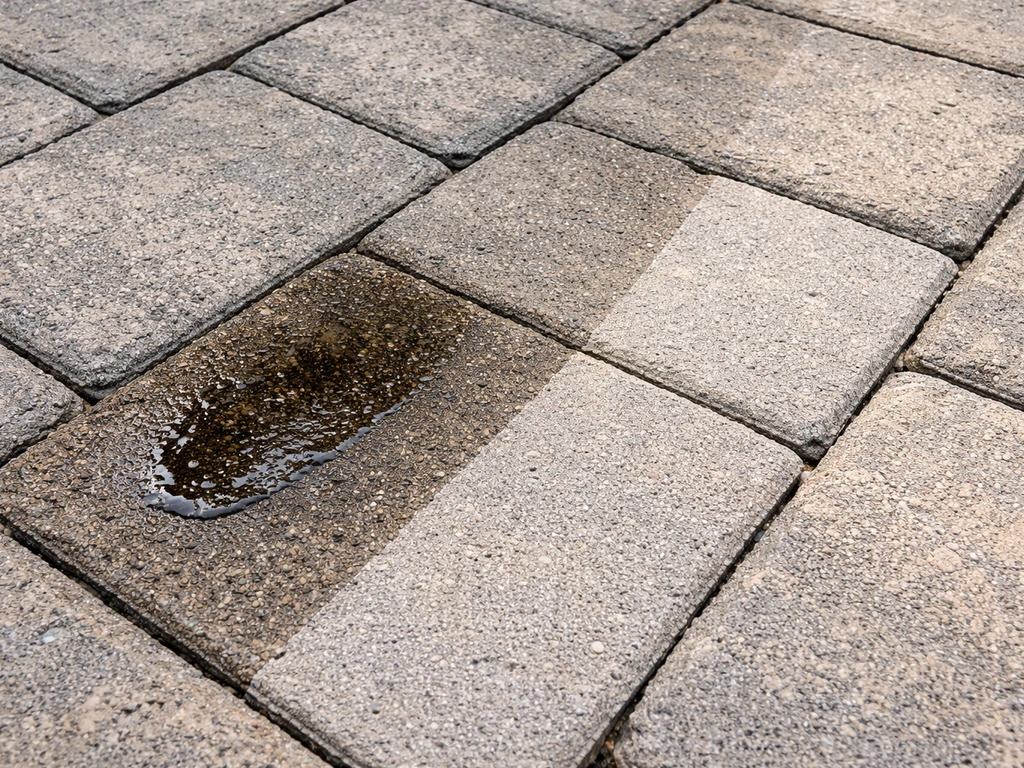
Aside from their beauty, natural stone patios require minimal maintenance, primarily consisting of periodic sealing to protect against stains and weathering. Homeowners should also be aware that stone can become slippery when wet, so incorporating textured surfaces or anti-slip treatments may be beneficial.
Evaluating Product Reviews: What to Look For
With an abundance of online reviews available, knowing how to assess them is crucial for making informed decisions. Start by looking for verified purchases and credible sources. Websites that specialize in home improvement often feature expert reviews alongside user experiences, providing a balanced perspective.
Another important factor is the overall rating. While a high score can indicate satisfaction, it’s essential to read the comments to understand what specific features users appreciated or disliked. Look for patterns in feedback, such as consistent mentions of durability or ease of installation, which can offer valuable insights into a product’s long-term performance.
Finally, beware of overly negative or positive reviews that lack detail. Genuine reviews typically provide context about the user’s experience, allowing you to gauge whether the product fits your needs. An informed assessment of reviews will empower you to choose products that are highly rated for your specific circumstances.
Identifying Credible Review Platforms
To ensure you are gathering information from reliable sources, focus on well-known review platforms. Websites like Consumer Reports and Angie’s List provide comprehensive evaluations based on extensive research and testing. These platforms often highlight pros and cons, giving you a well-rounded view of products.
Additionally, social media platforms can provide real-time feedback from users. Following home improvement groups can yield valuable insights, as members share their experiences and recommend products. Engaging with these communities can also help you ask specific questions about patio materials and maintenance practices.
Understanding the Impact of Seasonal Changes on Reviews
When reading reviews, consider the timing of the feedback. Seasonal changes can significantly impact outdoor products, particularly patio materials. For instance, a concrete patio might perform differently in winter compared to summer, with users sharing insights based on their experiences during various weather conditions.
By paying attention to when feedback is provided, you can better assess whether a product will meet your needs throughout the year. For homeowners in regions with extreme weather, seeking reviews from users in similar climates can provide a clearer picture of performance expectations.
patio cleaner reviewsCost Considerations: Balancing Quality and Budget
Budgeting for a new patio involves more than just the initial purchase price. Homeowners must account for installation, maintenance, and potential upgrades over time. When reviewing product options, it’s crucial to evaluate each material’s long-term costs against its benefits.
For example, while a natural stone patio may have a higher upfront cost, its durability could save money in the long run by reducing the need for replacements or repairs. On the other hand, opting for a more affordable material like concrete could lead to increased maintenance costs if not properly cared for. Assessing the total cost of ownership will ensure you make a well-informed financial decision.
Installation Costs: Professional vs. DIY
When planning your patio, installation costs can vary widely depending on whether you choose to hire professionals or tackle the project yourself. Professional installation can offer peace of mind, as experienced contractors are familiar with local regulations and best practices. However, this convenience comes at a cost. patio cleaning guide
On the other hand, DIY installations can save money, provided you have the necessary skills and tools. Many homeowners find online tutorials and guides helpful in navigating the process. However, it’s vital to assess your abilities realistically; improper installation can result in costly mistakes down the line.
Long-term Maintenance Expenses
As you consider patio materials, factor in long-term maintenance expenses. Wooden decks, for instance, require regular staining and sealing, which can add up over time. In contrast, a concrete patio may require only occasional sealing and cleaning, making it a cost-effective choice in the long run.
Additionally, factor in wear and tear from seasonal changes. For instance, homeowners in areas with heavy snowfall might need to invest in protective measures, such as mats or snow removal tools. Understanding these costs upfront can help you budget effectively and avoid unexpected expenses.
Safety and Regulations: What You Need to Know
Before starting a patio project, it’s crucial to consider safety and local regulations. Many municipalities have zoning laws that dictate patio construction, including size, height, and proximity to property lines. Familiarizing yourself with these regulations will help avoid costly fines and ensure your project complies with local standards.
In addition to legal considerations, safety is paramount during installation. Ensure that your patio has adequate drainage to prevent water pooling, which can lead to slips and falls. If using heavy materials, like stone, consider reinforcing the structure to withstand potential hazards, particularly in high-traffic areas.
Permitting: Understanding Local Requirements
Many areas require homeowners to obtain a permit before embarking on patio construction. This process often includes submitting plans for approval, detailing the design, materials, and dimensions of the project. Checking with your local building authority can save time and ensure compliance with local codes.
In some cases, homeowners may need to hire professionals to help with the permitting process. While this may add to your initial costs, it can streamline the project and prevent legal issues down the line. Always verify the specifics of your local regulations to avoid complications.
Safety Measures During Construction
Safety measures during patio construction should not be overlooked. If you choose to DIY, ensure you have the right protective equipment, such as goggles and gloves. Additionally, use appropriate tools and follow safety guidelines for each material type. This diligence can prevent accidents and injuries during the construction phase.
Consider also the safety of your pets and children during the project’s duration. Keeping the work area secure and clearly marked can help prevent accidents. By prioritizing safety, you can create a beautiful outdoor space without compromising the well-being of your loved ones.
Conclusion
Investing in a patio can significantly enhance your outdoor living experience, but it requires careful consideration of various factors. From material selection and evaluating product reviews to understanding costs and safety regulations, each aspect plays a crucial role in ensuring a successful project. This guide has provided you with the tools needed to navigate the complexities of patio reviews effectively.
By taking the time to assess your options, you can create a space that not only meets your aesthetic desires but also fits your budget and lifestyle. Remember to consider long-term maintenance and safety as you make your decisions. With thoughtful planning and the right information, your patio can become a cherished part of your home for years to come.

Table of Material Comparisons
| Material Type | Durability | Maintenance Requirements |
|---|---|---|
| Concrete | High | Occasional sealing, cleaning |
| Wood | Medium | Regular staining, cleaning |
| Natural Stone | Very High | Periodic sealing |
| Composite | High | Minimal, occasional cleaning |
| Pavers | High | Occasional resetting, cleaning |
This table summarizes the durability and maintenance requirements of various patio materials, helping homeowners make informed choices based on their needs and preferences. Understanding these factors is fundamental in selecting the right material for your patio project.
Pros and Cons
- Pros:
- Diverse Material Options: Homeowners can choose from various materials, each offering unique aesthetics and benefits, allowing for a customized outdoor space.
- Increased Property Value: A well-designed patio can significantly enhance a home’s value, making it an appealing feature for potential buyers.
- Enhanced Outdoor Living: Patios create functional outdoor spaces for relaxation and entertainment, enhancing quality of life.
- Potential for DIY Projects: Many patio installations can be done as DIY projects, saving on labor costs and allowing for personal touch.
- Cons:
- Initial Costs: High-quality materials and professional installation can be costly, requiring careful budgeting.
- Maintenance Needs: Different materials require varying levels of upkeep, which can be time-consuming and expensive.
- Weather Vulnerabilities: Some materials may suffer from weather-related wear and tear, necessitating repairs or replacements over time.
In weighing these pros and cons, homeowners can better understand the benefits and challenges associated with patio installations. With careful planning, the advantages can often outweigh the downsides, leading to a rewarding outdoor space.
Frequently Asked Questions
- How long does a patio typically last?
The lifespan of a patio depends on the materials used and maintenance practices. For example, concrete can last 30 years or more with proper care, while wooden decks may require replacement every 10 to 20 years.
- What is the best material for a patio in a rainy climate?
In areas with heavy rainfall, materials like concrete or composite decking are often recommended due to their resistance to mold and mildew, minimizing maintenance needs.
- Can I install a patio myself?
Yes, many homeowners choose to install patios themselves, especially if they have DIY skills. However, it’s essential to research the process thoroughly and ensure compliance with local regulations.
- What is the average cost of patio installation?
The average cost can vary widely based on materials and labor. On average, homeowners can expect to spend between $1,500 to $6,000 for a patio, depending on size and complexity.
- How do I maintain my patio?
Maintenance varies by material. Generally, regular cleaning, sealing, and inspections for damage are recommended to keep patios in good condition. fix broken patio
- Are permits required for patio installation?
Many municipalities require permits for patio construction, especially if it affects property lines or drainage. Always check local regulations before beginning a project.
- What features can enhance my patio?
Consider adding features like outdoor lighting, furniture, and landscaping to enhance the functionality and aesthetics of your patio space.